 Football Cards
 Baseball Cards
 Basketball Cards
 Hockey Cards
 WWE Cards
Web Designer
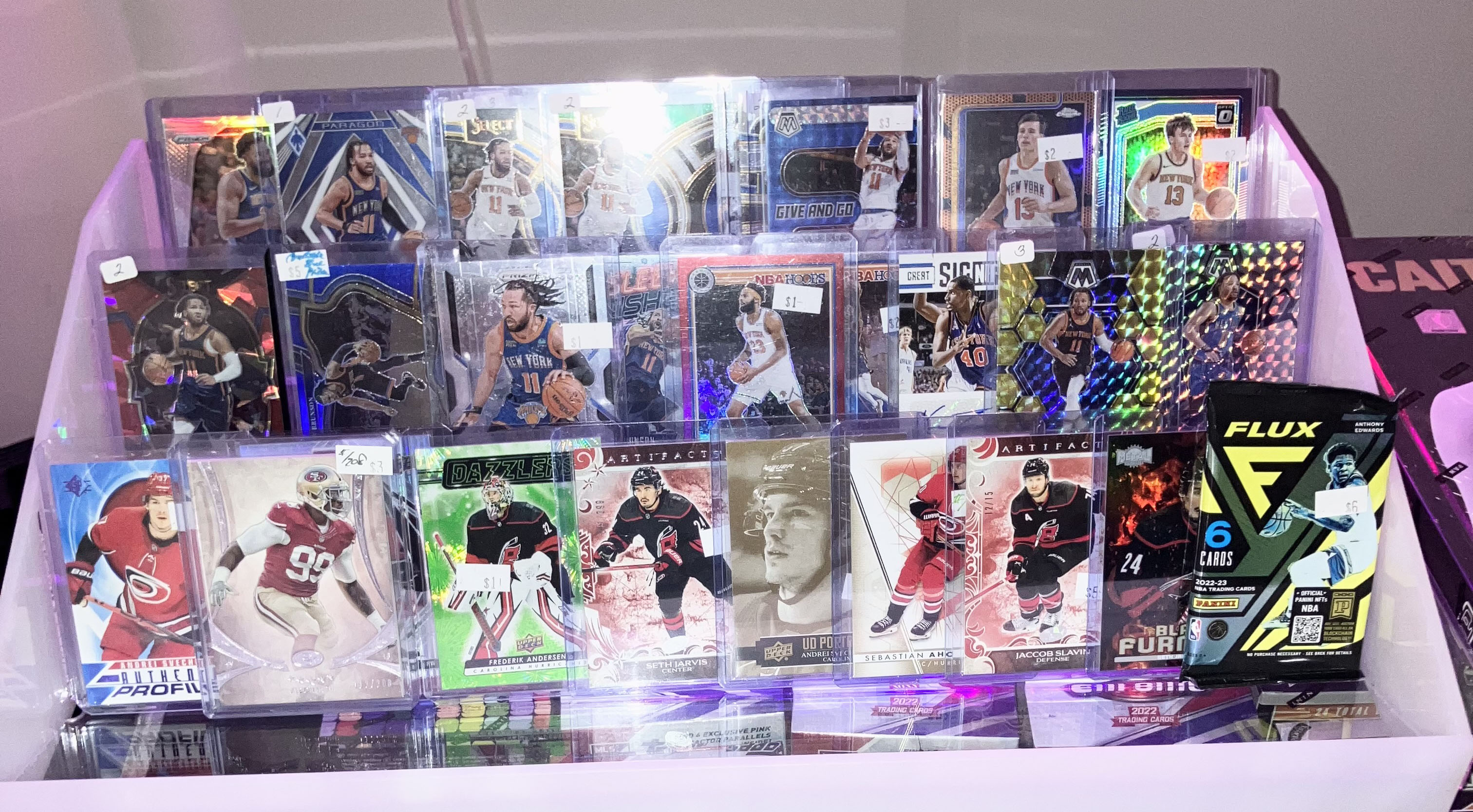 If you've spent any time collecting modern trading cards, you've probably heard terms like serial numbered cards, SSPs, and case hits. At Franklin Sports Cards, one of the most common questions we hear from collectors is, "What actually makes a sports card rare?" While rarity often increases value, understanding how different types of rare cards are distributed can help collectors make smarter purchasing decisions and better understand the cards in their collection.
One of the most recognizable forms of rarity is the serial-numbered card. Franklin Sports Cards regularly sees collectors searching for cards numbered to /99, /50, /25, /10, /5, and even true 1/1 cards. A serial number indicates exactly how many copies of that particular card were produced. For example, a card numbered 12/25 means only 25 copies exist worldwide. Generally speaking, the lower the serial number, the greater the scarcity, which often translates into higher collector demand and stronger market values.
While serial numbers provide a clear indication of scarcity, Franklin Sports Cards reminds collectors that rarity alone does not guarantee value. A card numbered to /10 featuring a lesser-known player may sell for significantly less than a more common rookie card of a superstar athlete. The sports card market places tremendous importance on player popularity, performance, and long-term potential. Scarcity acts as a multiplier, but demand is usually what drives pricing.
Another category of rare cards collectors frequently encounter at Franklin Sports Cards is the SSP, or Super Short Print. Unlike serial-numbered cards, SSPs often do not have a printed production number. Instead, manufacturers intentionally print these cards in extremely limited quantities and insert them at much lower odds than standard cards. Because production numbers are typically undisclosed, collectors often determine SSP rarity through pack odds, collector discussions, and marketplace availability.
Case hits represent another form of rarity that Franklin Sports Cards frequently explains to newer collectors. A case hit is a card that is expected to appear approximately once per sealed case of product. Depending on the manufacturer and release, a case may contain anywhere from several boxes to more than a dozen boxes. Popular case hits often feature unique designs, special inserts, or highly collectible themes that make them desirable regardless of whether they are serial numbered.
At Franklin Sports Cards, we often explain that some rare cards become especially valuable because of their visual appeal. Certain parallel colors and designs have developed strong followings among collectors. Gold parallels, black finite parallels, color-matched team cards, refractors, and other eye-catching finishes can command substantial premiums. In some cases, collectors are willing to pay more for a visually iconic parallel than for a technically rarer card from the same product.
The product itself can also play a major role in determining rarity and value. Franklin Sports Cards has seen flagship brands such as Prizm, Topps Chrome, Bowman Chrome, National Treasures, and Flawless consistently attract strong collector demand. A low-numbered rookie card from a respected product line often carries greater long-term appeal than a similarly rare card from a less established set. Collectors frequently place a premium on brands with proven track records and strong hobby recognition.
Condition is another critical factor that Franklin Sports Cards encourages collectors to consider when evaluating rare cards. A card graded Gem Mint 10 by a major grading company can sell for several times more than the same card in raw condition. Centering, corners, edges, and surface quality all become increasingly important as rarity and value increase. For many collectors, finding a rare card in top condition can be just as important as finding the card itself.
Market timing also affects the value of rare sports cards. Franklin Sports Cards regularly observes values fluctuate based on player performance, rookie hype, playoff appearances, championships, and award races. A breakout season or major achievement can quickly increase demand for a player's rare cards, while injuries or declining performance can have the opposite effect. This dynamic nature is one reason sports card collecting remains such an exciting hobby.
Ultimately, Franklin Sports Cards believes that rarity is best understood as a combination of scarcity and demand. Serial-numbered cards, SSPs, and case hits all represent different forms of rarity, but their value depends on factors such as player popularity, product prestige, condition, visual appeal, and market interest. By understanding how these factors work together, collectors can make more informed decisions and better appreciate what makes certain sports cards stand out from the rest.